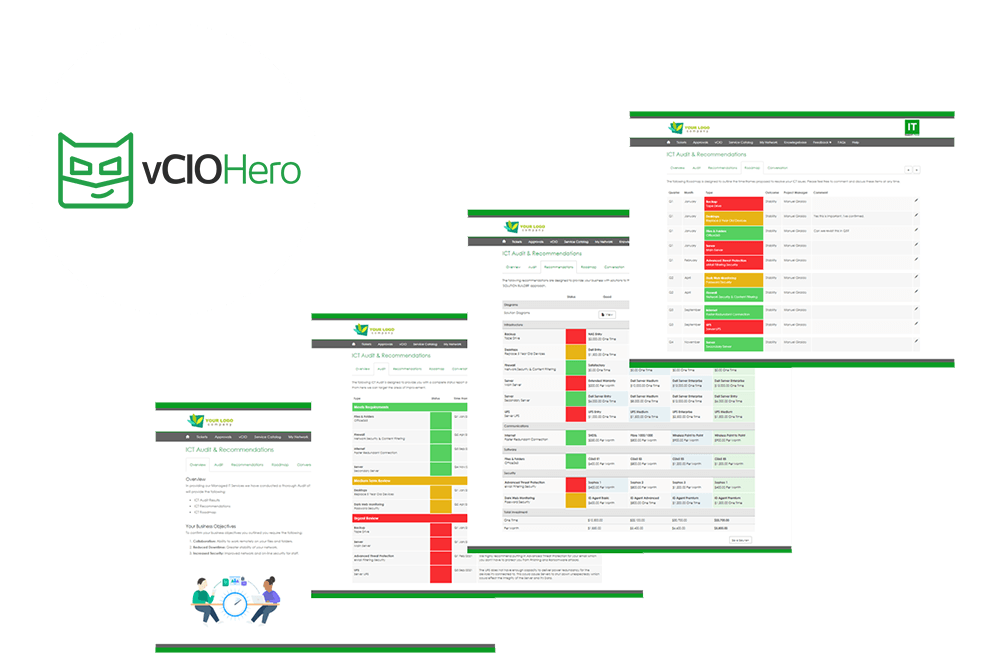
In today?s fast-paced technological landscape, businesses must continually adapt to stay competitive. Implementing vcio software is a strategic move that can significantly enhance operational efficiency. This tool enables organizations to streamline their IT processes, aligning technology with business objectives. By adopting such solutions, companies not only improve their IT management but also drive innovation and growth.
Understanding the Role of vCIO Software
A Virtual Chief Information Officer (vCIO) plays a critical role in modern enterprises, offering strategic IT guidance that aligns with business goals. With the advent of vcio software, companies can automate and optimize this function. The software acts as a virtual advisor and strategist, providing insights and recommendations based on data-driven analysis.
Key Benefits of vCIO Software Implementation
- Strategic IT Planning: Offers comprehensive planning tools to align IT initiatives with business strategies effectively.
- Enhanced Communication: Facilitates improved communication between IT departments and other business units.
- Risk Management: Helps identify potential risks and vulnerabilities within the IT infrastructure.
- Cost Efficiency: Optimizes resource allocation and reduces unnecessary IT expenditure.
- Data-Driven Decisions: Utilizes robust analytics to drive business decisions that are backed by data.
Steps to Implement vCIO Software Successfully
Implementing vcio software involves several steps that ensure the tool is integrated seamlessly within the organization?s existing framework. These steps are crucial to maximize the benefits of the software:
1. Assess Current IT Capabilities
Begin by evaluating the current IT infrastructure and processes. This assessment will identify areas that need improvement and help tailor the software to meet specific business needs.
2. Set Clear Objectives
Define clear, achievable goals for what the organization hopes to accomplish with the vCIO software. These objectives should align with broader business goals and help measure the success of the implementation.
3. Choose the Right Software
Select a vcio software solution that fits the company?s specific requirements. Consider features such as scalability, user interface, and integration capabilities.
4. Train the Team
Ensure that the IT team and other relevant stakeholders receive adequate training. A well-informed team is crucial for smooth implementation and effective use of the software.
5. Monitor and Evaluate
After implementation, continually monitor the software?s performance and evaluate its impact on business operations. Use this data to make necessary adjustments and improvements.
Challenges and How to Overcome Them
While the benefits of vcio software are substantial, organizations may face certain challenges during implementation. Understanding these challenges and preparing solutions in advance can facilitate a smoother transition.
- Resistance to Change: Employees may be hesitant to adopt new technologies. Address this by highlighting the benefits and providing comprehensive training.
- Data Security: Ensure robust cybersecurity measures are in place to protect sensitive business data.
- Integration Issues: Choose software that easily integrates with existing systems to avoid disruptions.
Conclusion
Maximizing efficiency through the implementation of vCIO software is a strategic investment for any forward-thinking business. By understanding its role, benefits, and the steps necessary for successful integration, organizations can unlock significant potential for growth and innovation. As businesses continue to evolve, leveraging tools like vcio software will be essential in maintaining a competitive edge in the market.
