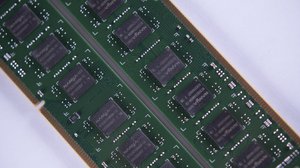
In today’s digital age, data centers are the backbone of most business operations, providing essential services to store, process, and disseminate data. However, as technology advances, these centers frequently face the challenge of managing outdated or surplus electronic equipment. This is where electronics recycling services become invaluable, particularly when it comes to memory solutions in data centers. Efficient recycling not only ensures environmental sustainability but also helps in maintaining data security and optimizing resource use. Understanding the intricacies of these services and their benefits can significantly enhance operational efficiency and contribute to a greener planet.
Understanding Electronics Recycling
Electronics recycling involves the process of recovering materials from old devices and reusing them in new products. This is crucial in data centers where equipment turnover can be high. Recycling helps in:
- Reducing landfill waste and environmental pollution.
- Conserving natural resources by reclaiming valuable materials.
- Preventing data breaches by securely destroying obsolete storage devices.
- Complying with legal and regulatory requirements regarding electronic waste disposal.
Data Center Memory Solutions
Memory solutions in data centers, including RAM and storage devices, are integral components that require specialized recycling approaches due to their complexity and the sensitive data they may contain.
Importance of Secure Data Erasure
Data security is a top priority when recycling memory components. It is essential to ensure that all data is irretrievably destroyed before recycling. This can be achieved through:
- Data wiping: Overwriting the data multiple times to prevent recovery.
- Degaussing: Using magnetic fields to erase data from magnetic storage devices.
- Physical destruction: Shredding or crushing devices to ensure data cannot be retrieved.
For more details on secure data erasure, read more about this topic.
Recycling Process for Memory Solutions
Recycling memory solutions involves several key steps:
- Assessment: Evaluating the condition and type of memory to determine the best recycling method.
- Data Sanitization: Implementing secure data erasure methods to protect sensitive information.
- Material Recovery: Extracting valuable materials like gold, silver, and palladium from memory modules.
- Component Reuse: Repurposing components that are still functional for use in other devices.
Explore further insights here on the recycling process.
Benefits of Electronics Recycling Services
Engaging in electronics recycling services for data center memory solutions offers numerous benefits:
- Environmental Impact: Minimizes the ecological footprint and promotes sustainable practices.
- Resource Optimization: Maximizes resource use efficiency by reusing materials.
- Cost Reduction: Reduces costs associated with purchasing new materials by recovering valuable resources.
- Compliance: Ensures adherence to local and international regulations regarding e-waste disposal.
Find additional information here on the benefits of these services.
Conclusion
Incorporating electronics recycling services into data center operations is not just a responsible choice but a strategic one. It addresses critical aspects such as data security, environmental responsibility, and resource management. By understanding and implementing effective recycling practices, data centers can significantly contribute to sustainability goals while optimizing their operational efficiency. For a more comprehensive understanding of these practices, learn more in this detailed guide.
