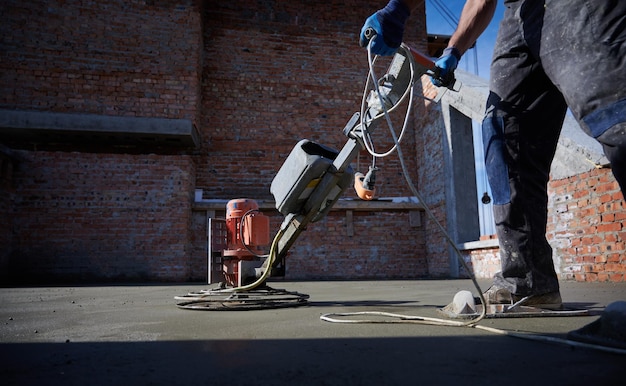
Concrete solutions form the backbone of many construction projects, offering durability, versatility, and cost-effectiveness. Whether building a residential driveway or a large commercial structure, choosing the right concrete solution is crucial to the project’s success. Understanding the various types of concrete and their applications can significantly enhance the outcome of any construction endeavor. This article delves into complete concrete solutions, guiding readers through selecting, implementing, and benefiting from the right concrete for their projects.
Understanding Concrete Types and Their Applications
Concrete is not a one-size-fits-all material. Different types cater to diverse needs and project requirements. Selecting the appropriate type is essential for ensuring structural integrity and longevity.
- Standard Concrete: Ideal for general construction purposes, offering a balance of strength and workability.
- Reinforced Concrete: Commonly used in high-stress applications like bridges and multi-story buildings due to its enhanced tensile strength.
- Precast Concrete: Manufactured off-site, allowing for precision and uniformity. Suitable for architectural components such as beams and slabs.
- High-Performance Concrete: Offers superior durability and resistance to environmental factors, perfect for infrastructure projects.
- Self-Compacting Concrete: Flows easily into complex forms without the need for mechanical vibration, reducing labor and time.
To learn about tailored solutions and how they fit specific project needs, discover expert strategies here.
Innovative Techniques in Concrete Solutions
Advancements in technology have led to innovative techniques in concrete applications, ensuring efficiency and sustainability. Here are some cutting-edge methods employed in modern projects:
3D Concrete Printing
This revolutionary technique allows for the creation of complex structures with minimal waste. It is increasingly being used for residential homes and architectural features. The precision and speed of 3D printing are transforming traditional construction methodologies.
Permeable Concrete
Also known as porous concrete, this type allows water to pass through, reducing runoff and replenishing groundwater levels. It is particularly beneficial in urban areas where stormwater management is a concern. Explore advanced guides and tips on integrating permeable concrete into urban planning.
Environmental Considerations and Sustainability
Concrete production has a significant environmental impact, but innovative practices are reducing its carbon footprint. By incorporating recycled materials and improving energy efficiency during production, concrete solutions are becoming more sustainable.
- Use of Recycled Aggregates: Reduces waste and conserves natural resources.
- Supplementary Cementitious Materials: Materials like fly ash and slag enhance concrete properties while lowering carbon output.
- Energy-Efficient Production Techniques: Innovations in manufacturing processes are minimizing energy consumption.
To find out more about this approach and how it benefits both the environment and project efficiency, learn about our tailored solutions.
Customer Experiences and Feedback
Feedback from completed projects can offer valuable insights into the effectiveness and satisfaction associated with various concrete solutions. Check out customer reviews here to see what others are saying about us.
Conclusion
Choosing the right concrete solution is pivotal to the success of any construction project. By understanding the types of concrete available and the innovative techniques being used, project managers can ensure quality, durability, and sustainability. For those interested in enhancing their construction projects with expert concrete solutions, further exploration of advanced strategies and customer experiences can provide invaluable guidance. Explore advanced guides and tips to make informed decisions for your next project.
