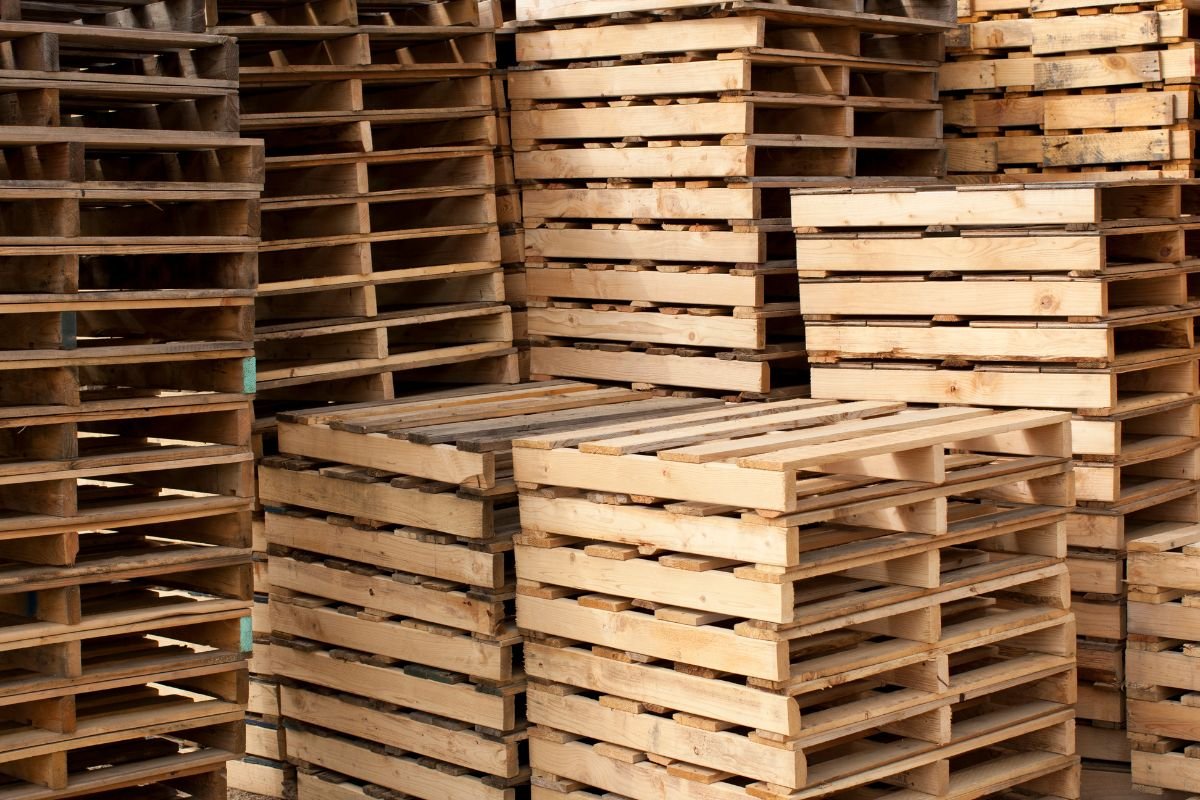
In today’s fast-paced business environment, optimizing supply chain operations is crucial for maintaining a competitive edge. One often overlooked yet highly impactful tool in this regard is the humble timber pallet. These sturdy, versatile platforms can significantly enhance the efficiency of goods transportation and storage, ultimately transforming a supply chain’s overall performance. By understanding the benefits and strategic applications of timber pallets, businesses can unlock new levels of operational efficiency and sustainability.
The Advantages of Timber Pallets
Timber pallets offer several advantages that can streamline supply chain processes and improve overall logistics:
- Durability: Built to withstand heavy loads and harsh conditions, timber pallets offer a reliable solution for transporting goods over long distances.
- Cost-effectiveness: Compared to other materials like plastic or metal, timber pallets are generally more affordable, making them an economical choice for businesses of all sizes.
- Sustainability: As a renewable resource, timber pallets are environmentally friendly, promoting sustainable business practices and reducing carbon footprints.
Optimizing Logistics with Timber Pallets
The integration of timber pallets into logistics operations can bring remarkable improvements in efficiency and productivity.
Enhanced Warehouse Organization
Timber pallets facilitate better warehouse management by allowing for efficient stacking and storage. This not only maximizes space utilization but also simplifies inventory management. With clearly defined spaces and systematic arrangements, workers can quickly locate and access goods, reducing time spent on handling tasks.
Streamlined Transportation
The uniform size and shape of timber pallets make them ideal for efficient loading into trucks, containers, and other transportation vessels. This standardization minimizes the risk of goods shifting during transit, reducing the likelihood of damage. Moreover, the ease of handling pallets with forklifts and pallet jacks speeds up loading and unloading operations, enhancing overall transportation efficiency.
Implementing Timber Pallets in Your Supply Chain
Integrating timber pallets into a supply chain requires careful planning and consideration of specific operational needs.
Assessing Load Requirements
Before selecting pallets, it’s crucial to evaluate the weight and size of goods to determine the appropriate pallet specifications. This ensures that the pallets can safely support the loads during transit and storage without risk of breakage.
Standardization and Customization
While standard pallets are suitable for many applications, certain industries may benefit from customized solutions designed to meet unique requirements. Tailoring pallet dimensions, treatments, and features can enhance compatibility with specific goods and equipment, thereby optimizing supply chain efficiency.
Innovations in Timber Pallet Technology
Recent advancements in timber pallet technology have further enhanced their utility and performance.
- Heat Treatment: Heat-treated pallets are resistant to pests and pathogens, ensuring compliance with international shipping regulations and maintaining product integrity.
- Reinforced Designs: For high-stress applications, reinforced timber pallets provide additional strength and stability, accommodating heavier and bulkier loads.
- Recyclability and Reusability: Modern timber pallets are designed for multiple uses and easy recycling, supporting sustainable supply chain practices.
Conclusion
Integrating timber pallets into a supply chain can yield significant benefits in terms of cost savings, operational efficiency, and environmental sustainability. By understanding their advantages and strategically implementing them, businesses can enhance their logistics operations and maintain a competitive edge in the market. For more information on timber pallets and their applications, exploring industry-specific solutions is a wise step towards maximizing supply chain efficiency.
